Angela Olaru

  • Home
  • Dra. Angela Olaru
  • Contact
  • Biovertix Health Center
  • English
    • Català (Catalan)
    • Español (Spanish)
20 June, 2025 by Dra. Angela Olaru

Why is it advisable to have regular chiropractic checkups of the spine?

In my 35 years of clinical practice, I’ve tried to explain to all our patients why chiropractic, a complementary and alternative medicine, goes beyond back pain and helps maintain optimal health.

I often make a comparison between dental and spinal health.

About 60 years ago, when I was a child, hardly anyone went to the dentist, unless they had a severe toothache, which was resolved by extracting the ‘damaged’ tooth.

Unfortunately, most people over 60 ended up with very few teeth. This not only affected their aesthetics, but also their nutrition, as they couldn’t chew properly and their health deteriorated.

Fortunately, we’ve learned that if we maintain good hygiene, by brushing our teeth after every meal, and go to the dentist from a young age for regular checkups and cleanings, we can keep all our teeth until the end.

Did you know that healthy adults have 32 teeth and also 32 vertebrae?

Maybe it’s a coincidence, maybe not. In any case, while a tooth can be easily replaced with an implant, a vertebral segment cannot be replaced.

It is true that there are artificial intervertebral disc implants and surgical procedures called arthrodesis, which are used to fix “damaged” vertebrae, but it would be much better not to need them.

Three reasons to have a chiropractic checkup and treatment of your spine, even if you don’t have back or neck pain:

First reason: Correction of cervical lordosis increases blood circulation to the brain.

A research study, published in 2019 in the prestigious journal ‘Brain Circulation’, showed that after chiropractic treatment to correct cervical lordosis, blood flow to the brain immediately increased by up to 225.9%.
https://pmc.ncbi.nlm.nih.gov/articles/PMC6458772/#__ffn_sectitle

The authors used Magnetic Resonance Angiography (MRA). This is a diagnostic test that uses color to map the brain’s blood supply areas.

Immediately after the chiropractic adjustments, a ‘burst’ of red was observed, signifying a large increase in cerebral blood flow.

Therefore, by correcting vertebral alignment and improving cervical lordosis, the vertebral arteries are decompressed. These arteries rise through the transverse foramina of the cervical vertebrae C6 – C1 while the internal carotid arteries are contained in the carotid sheath, that originates just in front of the third cervical vertebra (C3).
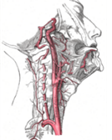
There is one carotid artery on each side of the neck, and each divides into two branches. The inner branch carries blood to the brain and eyes, and the outer branch carries blood to the face, tongue, and external parts of the head.

Due to incorrect posture while using mobile phones, computers, and/or tablets, almost all children, adolescents, and adults experience rectification and even inversion of the cervical lordotic curve.
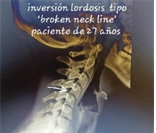
In the x-rays of some of our young patients we have found a significant inversion of the lordosis.


Correction of cervical lordosis is achieved by adjusting the vertebrae with specific chiropractic techniques and postural exercises.
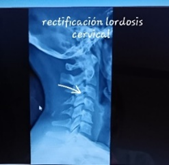
If left untreated, in addition to early osteoarthritis and neck, shoulder, and/or arm pain, the patient will experience decreased blood flow to the brain. Symptoms that often appear include headaches, lack of attention and concentration, insomnia, etc.

Evidently, over the years, decreased blood flow to the brain leads to dizziness, memory loss, dementia, and other pathologies related to brain degeneration.

How can I tell if I or my children have cervical lordosis rectification?

By getting a chiropractic spinal checkup as soon as possible.

Second reason: Prevent scoliosis in children and osteoarthritis in adults

Most cases of scoliosis are functional and compensatory. This means that the spine twists in response to asymmetrical muscle tension.

These tensions are usually due to the practice of asymmetrical sports such as soccer, tennis, golf, basketball, handball, volleyball, etc.

These sports involve thousands of repetitions of movements performed with the dominant leg or hand.
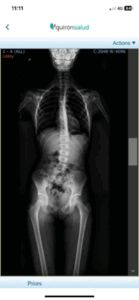
Scoliogram – 12-year-old girl, soccer player

Furthermore, during childhood and adolescence, children usually experience many falls, which may seem unimportant since pain passes quickly. However, the sacroiliac joints frequently misalign or lock and the pelvis twists.

Pelvic dysmetria often occurs, making one leg appear shorter. Instead of adjusting the sacroiliac joints to restore pelvic and leg alignment, people often use insoles with a lift to correct the short leg. This can be a mistake! Unless it’s an anatomical dysmetria (a shorter bone due to a congenital or acquired defect), the lift will increase the likelihood of developing thoracic scoliosis.

Another causal factor of scoliosis, very common during adolescence, is dental malocclusion and orthodontics, when not accompanied by periodic vertebral adjustments:

https://angelaolaru.com/?s=dientes+escoliosis

During rapid growth, ligaments and tendons are very flexible, so any spinal biomechanical imbalance, whether induced by pelvic dysmetria or by correction of malocclusion through orthodontics, can twist the spine.

Orthodontic treatment for adolescents typically lasts about two years, just as they experience rapid growth.

As the teeth gradually straighten, the dental contacts slowly shift and the masticatory muscles continue to contract asymmetrically.

This asymmetry descends into the spine and twists the vertebrae, causing scoliosis.

The only way to prevent this is through regular checkups and chiropractic spinal adjustments to realign the vertebrae.

Third reason: Boost immunity

A study published in 2010 showed that a single vertebral adjustment increases interleukin-2 (IL-2) – induced antibody synthesis:

Interleukin 2-regulated in vitro antibody production following a single spinal manipulative treatment in normal subjects – PubMed

Interleukin-2 (IL-2) is a cytokine produced by T lymphocytes that plays a crucial role in the activation and proliferation of the immune system.

Don’t wait until you experience symptoms. Regular chiropractic checkups are key to maintaining a healthy spine and preventing future problems, at any age.

21 April, 2023 by Dra. Angela Olaru

Osteoporosis

What is it? How is it treated? How can it be prevented? Some scientific research news


Dra. Angela Olaru, DC, PhD
Centro de salud integral Biovertix
www.biovertix.com
www.angelaolaru.com

Osteoporosis is a very widespread ‘modern’ disease and consists of excessive loss of bone mass.

It mainly affects postmenopausal women, but also men, and can reach levels of serious pathology, such as vertebrae and rib fractures.


How is it treated?

It is currently treated with various types of drugs. The most used are bisphosphonates: alendronate (Fosamax), risedronate (Actonel, Atelvia), ibandronate (Boniva), or zoledronic acid (Reclast).

Drugs called Selective Estrogen Receptor Modulators (SERMs) such as Raloxifene (Evista) are also used.

Both types of drugs act by stopping the osteoclastic process (bone destruction) but have among the ‘rare’ side effects, fracture of the femur and necrosis of the jaw.

Another type of drug is denosumab (Prolia), a monoclonal antibody, which produces results like bisphosphonates, in terms of bone density. However, according to the Mayo Clinic, recent research indicates that after stopping this medication, there may be a high risk of vertebrae fractures.

Synthetic estrogen – based hormone replacement therapy (HRT) is also used to slow bone loss.

Unfortunately, these types of drugs can have quite serious side effects. Some of them, according to the US Medical Vademecum (Physician Desk Reference 1996) may be: breast or uterine cancer, thrombophlebitis, or ictus. (1,3,5)

Of course, many new drugs are being investigated to stop osteoporosis, but the best thing would be to prevent it.

How can osteoporosis be prevented?

In order to prevent it, we must know its causes.

The latest research mentions two important causes:

  1. Excessive consumption of animal proteins, carbohydrates, or sugars.
  2. Lack of movement of the skeleton and bones, especially the spine.

Some recent studies (1,2,7) in the field of nutrition and dietetics, point out that one of the main causes of osteoporosis is the modern diet based on animal proteins, carbohydrates, and sugars, and very poor in minerals, vitamins, enzymes, and coenzymes.

Excess of animal proteins such as meat, fish, eggs, and dairy products leads to the accumulation of acid metabolites. To neutralize them, the body gradually consumes its reserves of alkaline mineral salts, deposited mainly in the muscle mass: potassium, magnesium, silicon, manganese, zinc, copper, boron, etc. (1,2,7).

When stores get too low, the body draws on skeletal stores of calcium phosphate, causing osteoporosis.

According to a clinical research study, conducted in the US, following the modern Western (high protein) diet, bone mass would be lost by 4% per year. That is, in ten years it may lose 40% and in 20 years 80%. (2)

If the osteoporotic process begins around the age of fifty, it means that at seventy “the bones would break with a blow.”

Considering that today the average life expectancy exceeds eighty-five years, prevention is of vital importance.

Longevity entails a gradual loss of soft tissue flexibility, hormonal deficiencies, difficulty in nutrient absorption, as well as accumulation of toxins and acid metabolic remains.

“The vase fills up little by little, but the good news is that it can be emptied and cleaned regularly.”

A large study, published in 1988, has shown that, in vegetarian women, the osteoporotic process is much slower. (8) Therefore, we must take much more fresh vegetables and fruits.

We should also take vitamin and mineral supplements in the form of organic salts, with high bioavailability (absorption), and always recommended by health professionals with adequate training in the field of nutrition and dietetics. (1.7)

Many calcium supplements, which are sold to prevent osteoporosis, are not healthy. Calcium and magnesium supplements in the form of inorganic salts, such as carbonates, do not help restore bone mass.

In addition, they can cause calcification of the soft tissues (tendons, cartilage) and be deposited on the arterial walls. Therefore, they may contribute to osteoarthritis and arteriosclerosis (2.7), kidney stones (1.5), hypertension (6), gastric acidity (4,14), etc.

The best calcium supplements are in the form of hydroxyapatite, chelated, or citrate.

So before buying a calcium supplement, whether it is recommended by a doctor or another health professional, it is advisable to look at the composition.

In general, it is better to avoid inorganic mineral salts, especially carbonates, oxides and sulfates.

THE MYTH OF DAIRY

Milk and cheeses do not help prevent osteoporosis.

It is true that milk contains calcium, in the form of lactate, but it also contains proteins such as casein and a-lactalbumin, as well as lactose.

Dr. Walter Willet, MD, PhD, professor of medicine, epidemiology, and nutrition, from Harvard Medical School, explains in his book “Eat drink and be healthy” (1) that milk proteins, like all animal proteins, generate acid metabolites that tend to lower blood pH.

Our blood pH is approx. 7.36, slightly alkaline, being a vital sign.

In the event of a drop in pH, the nervous system organizes the uptake of mineral salts, stored in muscles and bones, to neutralize blood acidity. So, excessive dairy consumption increases osteoporosis.

In addition, to metabolize lactose – a type of sugar – the enzyme lactase is needed, which appears to gradually decrease after skeletal growth. That is why most adults and some children have lactose intolerance.

Based on several studies, which Dr. Walter Willet mentions in his book, excessive consumption of milk and its derivatives, especially cheese, could cause asthma, allergies, prostate, and ovarian cancer. (1)

Another cause of osteoporosis is loss of flexibility and movement of the spine.

Vertebrae are trabecular (spongy) bones and are at higher risk of osteoporosis than other compact bones in the skeleton.

Due to trauma and, above all, bad posture habits, the vertebrae can lose their correct alignment and joint movement.

The chiropractic term, which describes these spinal biomechanical alterations, is ‘vertebral subluxation’.


Vertebral subluxations occur from early childhood and are usually asymptomatic (silent) for decades, like dental caries.

Meanwhile, they cause asymmetry of the paravertebral muscles, gradually decrease the space through which the spinal nerves pass and prevent the correct nutrition and growth of the discs, cartilage, and vertebrae.

Therefore, vertebral subluxations may predispose to early osteoarthritis and osteoporosis.


CHIROPRACTIC CARE CAN HELP SLOW DOWN AND PREVENT OSTEOARTHRITIS AND OSTEOPOROSIS
.

Pepi’s story

More than 10 years ago, Pepi came to our center complaining of back pain. Like many of our postmenopausal patients, in addition to osteoarthritis, Pepi had osteoporosis.

The rheumatologist had prescribed bisphosphonates, but she decided to follow our chiropractic and physiotherapy protocol, change her diet, and take calcium supplements and other micronutrients, which we recommended.

The result was very satisfactory. Not only did her pain disappear, but the bone densitometry report (BMD), showed that  her bone mass increased. This is her video-testimony: https://www.youtube.com/watch?v=0J_PVtdjOGk.

Chiropractic is one of the most modern health sciences. Its main objective is to recover and maintain the correct vertebral alignment and to optimize the passage of the spinal nerves.

Chiropractic doctors are primary health care professionals. Most of us practice in private clinics or centers. In our integrative health center, we work as a multidisciplinary team. (www.biovertix.com)

On the first visit we perform a thorough physical-clinical examination and, based on the findings, we usually recommend a series of ‘vertebral adjustments (chiropractic correction techniques), complemented by physiotherapy and osteopathy. We also do basic health education and teach a daily routine of exercises for the spine as well as personalized postural exercises.

If want we prevent osteoporosis and osteoarthritis, we must ensure optimal alignment and movement of the spine starting from childhood.

Children play, jump, practice tennis, soccer, basketball, volleyball, etc. They are healthy sports, but they are all asymmetrical, that is, they exercise the muscles of the arms, legs, and spine, more on one side than on the other.

Along with bad postural habits, asymmetric sports, twist the spine, during full growth. The vertebrae can become misaligned, and ‘subluxations’ appear. Unless corrected regularly, children can develop scoliosis and kyphosis, which predispose to osteoporosis and osteoarthritis in adulthood.

We need more health education!

Thanks to a massive education on the part of dentists, we have learned that to prevent teeth decay, and to correct malocclusion, dental care must start from childhood. In fact, many teens go through orthodontics, but very few realize that, while their teeth gradually move and straighten, their vertebrae become misaligned, and scoliosis develops. https://angelaolaru.com/?s=relacion+dientes+columna

In conclusion, to prevent osteoporosis and preserve better overall health for life, we recommend regular chiropractic check-ups and spinal care for everyone: adults and especially children.

Bibliography:

  1. Willet, W.C. Eat drink y be heathy: the Harvard Medical School guide to heathy

eating” p. 139-151, Simon, Schuster Source, NY, 2001

  1. Morter Jr. MT Your Healthis your choice Fell Publishers (1990): 161-170
  2. NM Lewis, “Calcium Supplements and Milk: Effects on Acid-Base Balance and on Retention of Calcium, Magnesium and Phosphorus”, American Journal of Clinical Nutrition 49 (1989): 527
  3. MS Sheikh et al, “Gastrointestinal Absorption of Cacium from Milk and Calcium Salts, “New England Journal of Medicine 317 (1987): 532
  4. RG Wells, “Should All Postmenopausal Women Receive Hormone Replacement Theraphy? “Senior Patient “ (1988): 837
  5. M: Parrott-Garcia and D:A: McCarron, “Calcium and Hypertension, “Nutrition Revierws 42 (1984): 205
  6. B Kamen, Osteoporosis: What It Is, How to Prevent It, How to Stop It (New York: Pinnacle, (1984), p.40
  7. AG Marsh et al, “Vegetarian Lifestyle and Bone Mineral Density,”American Journal of Clinical Nutrition 48 (1988):837
  8. P McNair, “Bone Mineral Metabolism in Human Type 1 (Insulin Dependent) Diabetes Mellius, “ Danish Medical Bulletin 35 (1988):109
  9. Ac Santora, “The Role of Nutrition and Exercise in Osteoporosis”; American Journal of Medicine 82 (1987): 73
  10. B Riis, K Thomsen, and C Christiannsen, “Does Calcium Supplementation Prevent Postmenopausal Bone Loss? “New England Journal of Medicine 316 (1987):173
  11. RJ Dudl et al, “Evaluation of Intravenous Calcium as theraphy for osteoporosis, “American Journal of Medicine 55(1973):631
  12. HF DeLuca,  “The latest Information on Vitamin D and Bone Status”, Complementary Medicine May/June (1986):14
  13. Harvard Medical School Health Letter, March 1976, p.2
  14. Nutrition Today, March/April (1987): 22
  15. Keller TS, Harrison DE, Colloca CJ, Harrison, Janik TJ “Prediction of osteoporotic Spinal deformity, Spine 2003 Mar 1: 289 (5), 455-62

Search

Categories

  • Biovertix
  • Chiropractic
  • Coronavirus
  • Health
  • Immune system
  • Tips
  • Uncategorized

Recent Posts

  • Chiropractic and Your Child’s Brain Neuroplasticity
  • Why is it advisable to have regular chiropractic checkups of the spine?
  • Osteoporosis
  • Forward head posture reduces respiratory capacity y affects cardiac function.
  • New Reflections on the Pandemic and Some Suggestions

Recent Comments

    Archives

    • April 2026
    • June 2025
    • April 2023
    • April 2022
    • April 2021
    • April 2020
    Copyright 2021 Angela Olaru. Política de privacidad | Política de cookies | Aviso Legal

    We use our own and third-party cookies to ensure the website works properly, measure usage, and improve our services. You can accept all cookies, reject non-essential cookies, or configure your preferences. Cookie policy

    Configure cookies

    Required for the website to work correctly. They cannot be disabled from this panel.

    Help measure site usage and improve its content.

    Allow advertising, campaign measurement, or ad personalization.

    Store preferences or enable non-essential external content.